professional bodies
ACE backs Budget devolution push but calls for funded pipeline and long-term mayoral settlements
The consultancy and engineering trade body welcomed fiscal devolution and energy measures in the 28 October Budget, but said commitments must survive the next fiscal event and mayors need capacity to design schemes properly.
The Association for Consultancy and Engineering (ACE) has welcomed the fiscal devolution and energy measures in Chancellor John Healey's Budget 2026, while warning that the infrastructure sector needs a stable, fully funded pipeline and certainty that commitments will outlast the next fiscal event.
ACE published its reaction on 28 October 2026, the day the Chancellor delivered the Budget to Parliament.
Milda Manomaityte, chief executive of ACE, said the commitment to fiscal devolution and cheaper, cleaner energy showed the government understood that energy underpinned growth and that decisions on local infrastructure were better made locally.
She added: "Devolution is the defining theme of this Budget. Moving money and power closer to communities works if mayors and local authorities have the capacity and long-term settlements to plan and design schemes properly."
Manomaityte said the sector needed clarity on the private investment models the government expects it to rely on, and that getting design right at the start was the best way to save money later. ACE would work with the government on behalf of its members to ensure devolution delivered for local communities, she said.
The devolution measures
HM Treasury said mayors would receive a share of business rates from 2027, replacing grants from central government, with the government intending local areas to retain 100% of business rates income before the end of the decade. All mayors would receive income tax assignment from 2028.
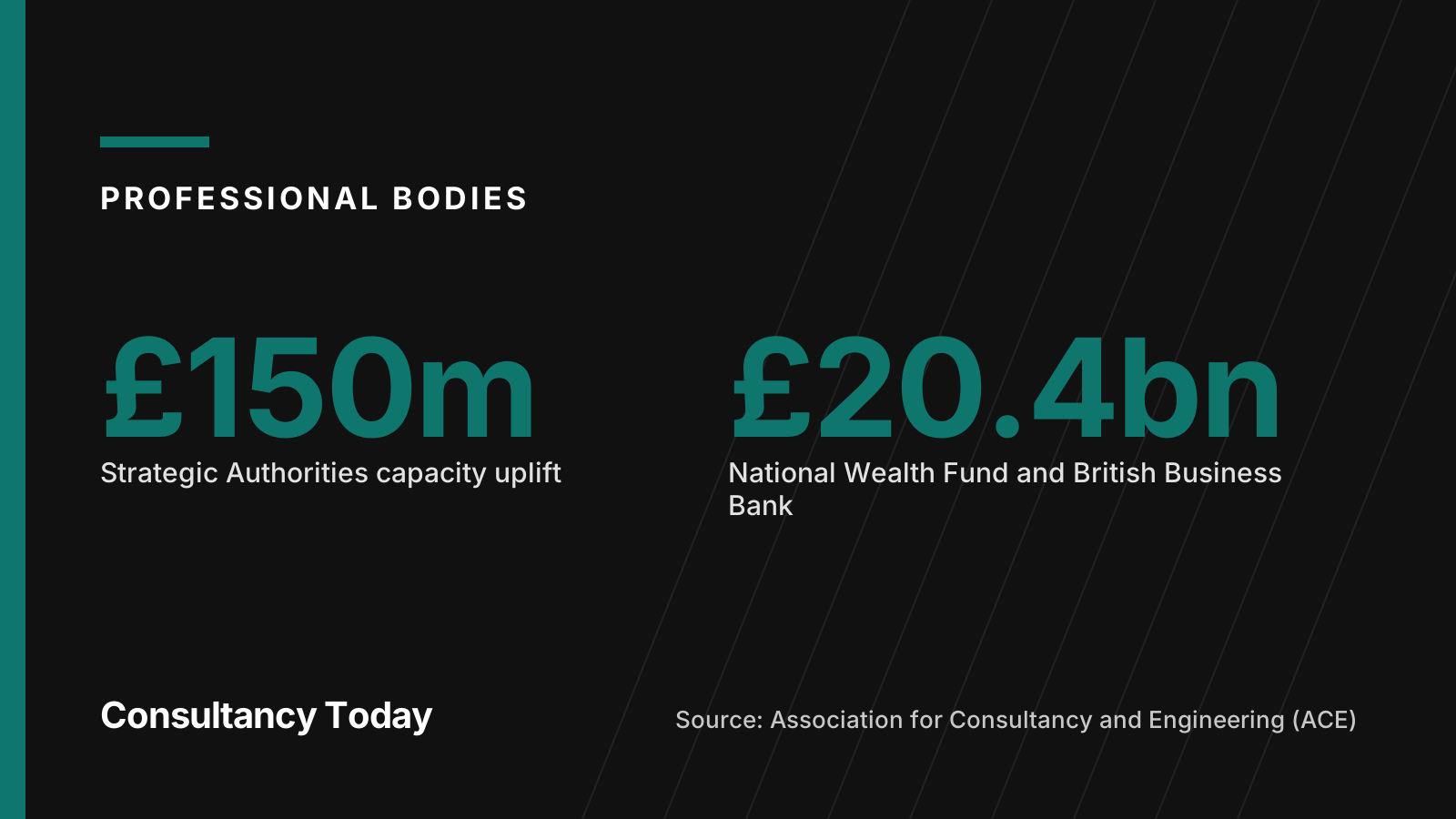
A Treasury fact sheet set out a £150m uplift to capacity and capability funding paid directly to Strategic Authorities in 2027/28. The government also said it was in the final stages of agreeing 10 new devolution arrangements.
The Chancellor had signalled the direction in July 2026, when he said the Budget would move money and power out of Westminster and into every postcode around Britain.
Energy and investment
Healey told Parliament he was setting a new course on energy to bring UK energy costs down in line with Europe. The Treasury said the Budget provided a £100 Household Energy Payment for up to 20 million households in council tax bands A to D in England, costed at £2.6bn in the Budget document and paid from January 2027.
The temporary VAT cut on electricity bills would be extended until 1 July 2027, and the government would ask Ofgem to abolish gas standing charges and move them to unit rates. The Budget document said no new policy costs would be put on bills until a comprehensive Cost Control Framework was in place.
The Treasury said the National Wealth Fund and British Business Bank would receive an additional £20.4bn, and that the Budget provided a further £1.5bn for social and affordable housing. A separate £100m would go to local authorities in England to support households most affected by energy bills.
Background
ACE's reaction follows the position it set out in its Budget submission of 15 October 2025, published under its previous chief executive Kate Jennings. That submission urged the Treasury to empower mayors with integrated, multi-year budgets, to commit to a 30-year infrastructure strategy, and said fragmented planning, disparate devolution and outdated procurement were holding back growth. Jennings said at the time that it was not a call for more spending.
Manomaityte took over as chief executive officer on 2 March 2026, after ACE announced her appointment on 2 February. She succeeded Jennings, who stepped down on 5 March 2026 after two years in the role, and joined from the Railway Industry Association, where she spent seven years, most recently as chief operating officer.
The first of the devolution measures, the business rates share for mayors, takes effect in 2027, with income tax assignment following in 2028.
Sources
- Association for Consultancy and Engineering (ACE) (opens in a new tab) (accessed 2026-10-29)
- HM Treasury (GOV.UK) (opens in a new tab) (accessed 2026-10-29)
- HM Treasury (GOV.UK) (opens in a new tab) (accessed 2026-10-29)
- HM Treasury (GOV.UK) (opens in a new tab) (accessed 2026-10-29)
- HM Treasury (GOV.UK) (opens in a new tab) (accessed 2026-10-29)
- HM Treasury (GOV.UK) (opens in a new tab) (accessed 2026-10-29)
- Association for Consultancy and Engineering (ACE) (opens in a new tab) (accessed 2026-10-29)
- Association for Consultancy and Engineering (ACE) (opens in a new tab) (accessed 2026-10-29)
This story was researched from the primary sources above and checked against them before publication. Spotted an error? Tell us and we will correct it promptly.